
Best Performance Exhaust System Guide for Maximum Power
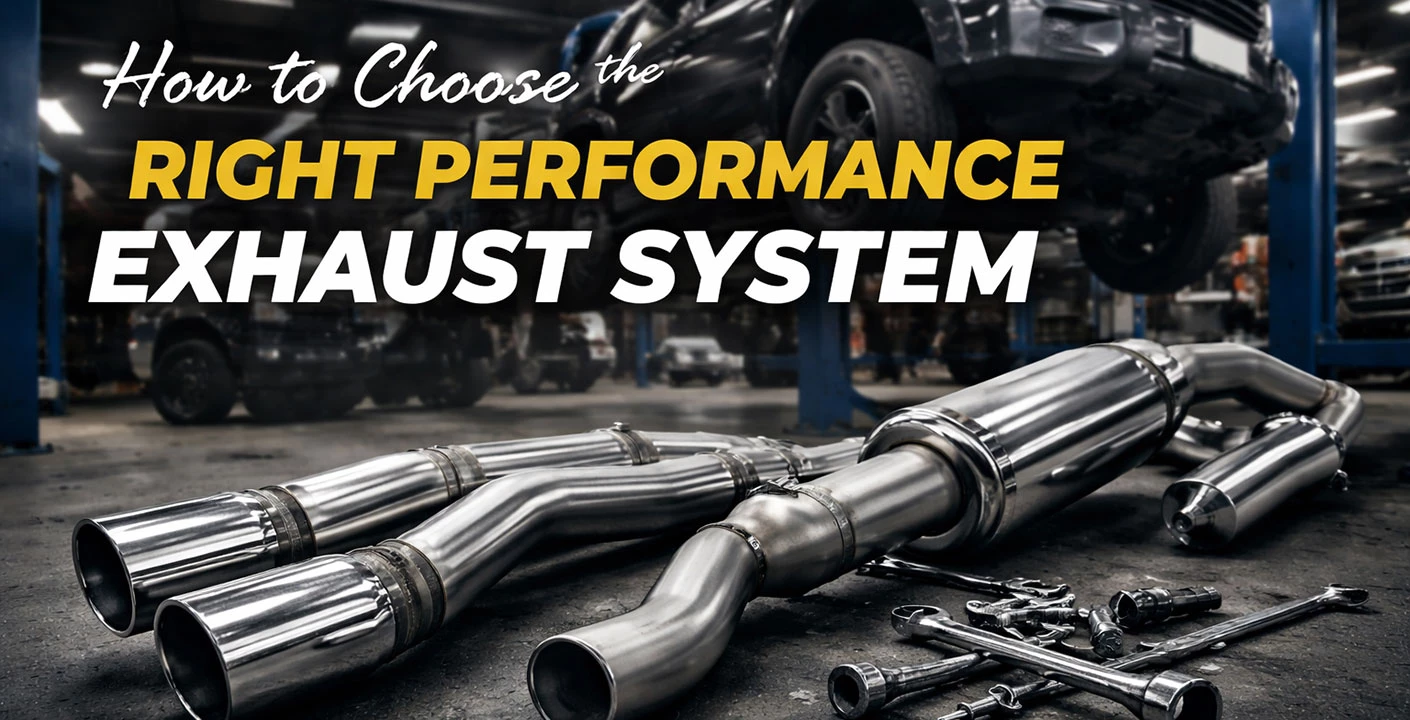
How to Choose the Right Performance Exhaust System
Upgrading your exhaust system is one of the most effective ways to transform your vehicle. Whether you’re chasing better sound, improved horsepower, or overall driving performance, the right performance exhaust system delivers noticeable results.
But most buyers get this wrong.
They either choose based on sound alone or pick whatever looks aggressive without understanding fitment, material quality, or long-term performance. That leads to wasted money, poor installation outcomes, or worse, reduced engine efficiency.
This guide cuts through the noise. You’ll learn exactly how to choose the right performance exhaust system based on your goals, your vehicle, and your budget.
Why Upgrade Your Exhaust System?
A stock exhaust system is designed for cost efficiency and compliance, not performance.
A high-performance exhaust system improves:
- Engine airflow
- Horsepower and torque
- Fuel efficiency (in some cases)
- Sound profile
- Overall driving experience
More importantly, it removes restrictions that limit your engine’s potential.
If you’re driving a truck like a Silverado 1500 or any performance vehicle, the difference is not subtle. It’s immediate.
Types of Exhaust Systems (And Which One You Actually Need)
This is where most buyers get confused. Not all exhaust systems serve the same purpose.
1. Cat-Back Exhaust System
This is the most popular option.
It replaces everything from the catalytic converter back, including:
- Mid-pipe
- Muffler
- Tailpipe
Best for:
- Daily drivers
- Balanced performance + sound
- Easy installation
Buyer insight:
If you want noticeable improvement without touching emissions systems, this is your safest and smartest option.
2. Axle-Back Exhaust System
This replaces only the rear section of the exhaust.
Best for:
- Sound upgrade only
- Lower budget
Reality check:
You won’t gain much horsepower here. This is mostly about sound aesthetics.
3. Header-Back Exhaust System
This is a full system replacement from the engine headers to the tailpipe.
Best for:
- Maximum performance gains
- Fully customized builds
Warning:
Higher cost, more complex installation, and not always road-legal depending on your region.
Choosing the Right Material: Don’t Ignore This
Material determines durability, performance, and long-term value.
Aluminized Steel
- Lower cost
- Decent performance
- Prone to corrosion over time
Use case: Budget builds or short-term use
Stainless Steel (409 vs 304)
409 Stainless Steel
- More affordable
- Good corrosion resistance
304 Stainless Steel
- Premium quality
- Excellent rust resistance
- Longer lifespan
Recommendation:
If you’re in a humid or coastal environment like the UAE, go with 304 stainless steel. It pays off long-term.
Sound Profile: Deep, Aggressive, or Balanced?
Sound is subjective, but choosing blindly is a mistake.
What affects exhaust sound?
- Muffler design
- Pipe diameter
- Resonators
- Engine type
Sound categories:
Mild / Deep Tone
- Clean, subtle
- Ideal for daily driving
Aggressive / Loud
- Strong presence
- Better for enthusiasts
Straight Pipe / Extreme
- Maximum noise
- Not practical for daily use
Important:
Don’t just rely on videos. Real-world sound varies based on installation and environment.
Performance Gains: What’s Real and What’s Marketing?
Let’s be honest.
Not every exhaust system will give you massive horsepower gains.
Typical improvements:
- 5–15% increase in horsepower (depending on setup)
- Better throttle response
- Improved airflow efficiency
Key factor:
Your gains depend heavily on your full setup. Intake, tuning, and engine condition all matter.
Fitment: The Most Overlooked Mistake
Even a premium exhaust system is useless if it doesn’t fit properly.
Before buying:
- Confirm vehicle compatibility (year, model, engine)
- Check for bolt-on vs custom installation
- Ensure proper clearance
Bad fitment leads to:
- Vibrations
- Leaks
- Performance loss
Installation: DIY or Professional?
Some systems are marketed as “bolt-on,” but that doesn’t mean effortless.
DIY Installation
Works if:
- You have tools and experience
- It’s a simple cat-back system
Professional Installation
Recommended if:
- You want perfect alignment
- You’re installing a full system
- You want warranty protection
Reality:
A poor install can ruin even the best exhaust system.
Pricing: What Should You Expect?
Price depends on:
- Material quality
- Brand reputation
- System type
Typical ranges:
- Axle-back: Low cost
- Cat-back: Mid-range
- Full system: High-end
Advice:
Don’t go for the cheapest option. Exhaust systems are long-term upgrades. Cheap systems often mean poor welds, bad fitment, and short lifespan.
Key Buying Checklist (Use This Before You Decide)
- What’s your goal? (sound, performance, both)
- What’s your budget?
- Is the system compatible with your vehicle?
- What material is used?
- Is it bolt-on or custom?
- What’s the warranty?
- Are there real user reviews?
If you can’t answer these, don’t buy yet.
Common Mistakes Buyers Make
Avoid these:
- Choosing based on sound videos only
- Ignoring material quality
- Buying without checking fitment
- Going too loud for daily use
- Skipping professional installation
Each of these leads to regret later.
Why Brand and Manufacturer Matter
Not all exhaust systems are built equally.
A reliable manufacturer ensures:
- Precision engineering
- Quality welds
- Performance testing
- Long-term durability
Unknown brands may look similar but often fail under real driving conditions.
Final Thoughts
A performance exhaust system is not just about sound. It’s a functional upgrade that affects how your vehicle drives, feels, and performs.
If you choose correctly, you get:
- Better performance
- Stronger sound profile
- Long-term reliability
If you choose wrong, you get noise and regret.
Take your time. Know your goals. Invest smart.